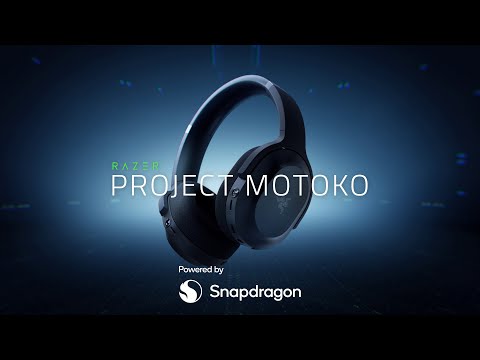
Razer is finally jumping into the wearable AI space with the Project Motoko headset, a pair of wireless headphones that appear to be built on the shell of Razer’s popular Barracuda series offerings. I asked Razer if the name Motoko was a reference to the popular Ghost in the Shell anime’s main character. It said it could neither confirm nor deny the inspiration for the name. The company discreetly shared details about this project back in December behind closed doors, but it wasn’t until now that the company fully revealed this new tech to the public, as part of its CES 2026 announcements.
Razer is calling this the future of wearable AI, and it just might have a point to that claim. Wearable AI, as it currently stands, meaning products you can actually buy and wear, is mostly limited to smart glasses. There are a few outliers, but the majority of what’s available are things like the Meta Ray-Bans, the new ASUS ROG XREAL R1 (you can’t actually buy these yet, but you can later this year), and similar offerings from a wide range of different companies. All trying to hop on the wearable AI train before it’s too late and the well has dried up because of market saturation. Razer is doing something different. It’s also going down the route that it has the most experience in: Headsets.
The Razer Project Motoko headset plays to Razer’s strengths
Think about it. Razer doesn’t make eyewear. It makes gaming peripherals. Yes, you’ll see Razer-branded gear like bags and other merch, but the bread and butter of what Razer creates, what it’s really good at, is making peripherals. Headsets are one of its biggest product categories, and as far as technology goes, it’s really Razer’s only wearable piece of technology. It just makes sense that if it were going to start creating something in the wearable AI space, it would be a headset of some sort.
Razer feels this way, too. It knows that a headset with AI built into it was the way to go. As for what Project Motoko can do, well, it’s more than you might think. It might look like a normal headset, but if you look closely enough, you’ll see two integrated camera sensors. One on each ear. Powered by Qualcomm Snapdragon, the dual FPV cameras see what you see, but they do so while matching your natural viewpoint. Razer says this allows Motoko to “understand exactly what you’re focused on and interpret every intent.” The cameras also sit right at your eye level and provide a wider focal area than human vision, or rather, the cameras you might see on glasses.
Using these cameras, you can ask Motoko to do any number of things. From a question about what you’re seeing in real-time to requesting help with a recipe you’re currently cooking up.
Motoko gives you on-the-fly audio feedback for requests and questions